

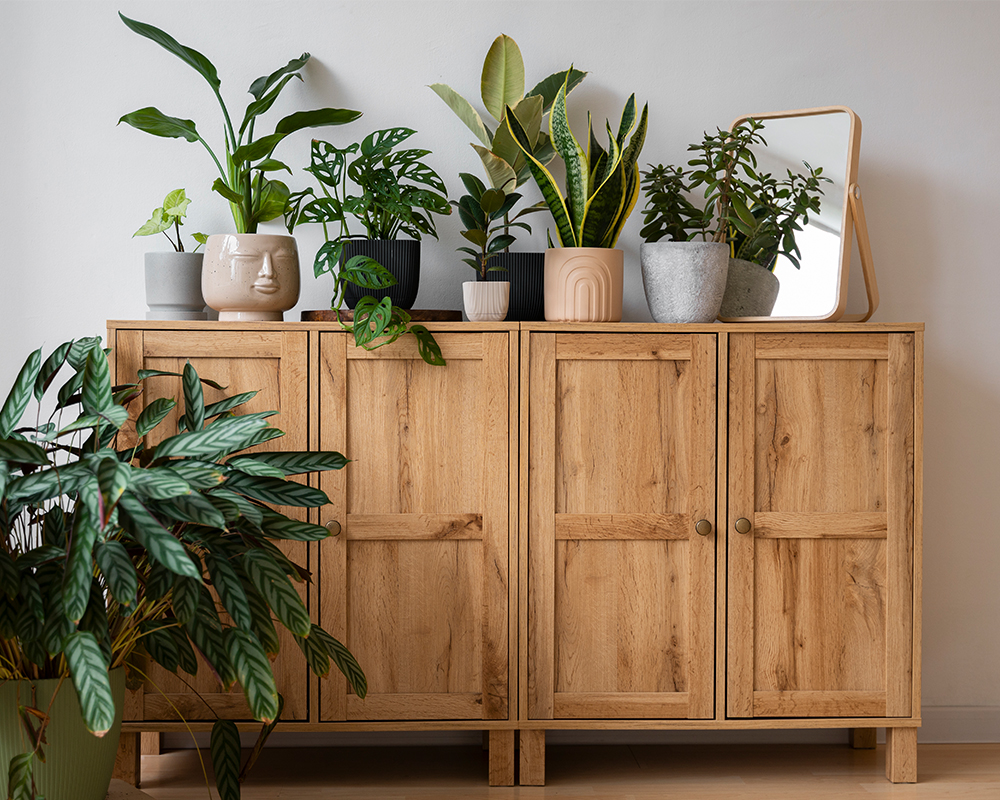
Professional Care Tips for Long-Lasting Solid Wood Furniture
Solid wood furniture brings timeless beauty and lasting value to any home. With its natural grain and durable craftsmanship, it deserves proper care to stay at its best. Using the right cleaning methods and gentle, natural solutions helps prevent damage while preserving its warmth and character—so your furniture remains beautiful for years to come.
Step-by-Step Care Guide for Solid Wood Furniture
Cleaning solid wood furniture is simple when done the right way. A careful, methodical approach helps protect the surface while maintaining the wood’s natural look and feel. Each step matters in preventing damage and extending the life of the finish. Follow the guide below to keep your furniture clean, well-preserved, and looking its best:
1. Remove Dust Frequently
Begin with a soft microfiber or lint-free cloth to gently remove surface dust. Consistent dusting keeps particles from settling into the wood grain and causing long-term wear. Stay away from abrasive fabrics or feather dusters, as they may leave fine scratches on the finish.
2. Choose a Gentle, Natural Cleaner
Skip strong chemical cleaners and select a mild, natural solution instead. A simple homemade option is a blend of water and white vinegar with a small amount of natural oil. This combination helps cleanse the surface while conditioning the wood and restoring its natural luster.
Expert Tip: Many eco-conscious brands now offer plant-based wood cleaners that are non-toxic, effective, and safe for both your furniture and indoor air quality.
3. Clean with Care
Dampen your cloth lightly—never allow water to pool on the surface. Too much moisture can penetrate the wood and lead to warping or splitting. Always wipe in the direction of the grain to protect the finish and maintain a smooth appearance.
4. Condition and Protect
Every few weeks, apply a natural wax or wood conditioner to refresh the surface. This helps revive the wood’s sheen and creates a protective layer against dust and humidity. Regular conditioning also supports long-term wood care by replacing lost natural oils.
5. Dry the Surface Thoroughly
Finish by wiping the furniture with a clean, dry cloth. This step prevents moisture marks and ensures a streak-free, polished result.
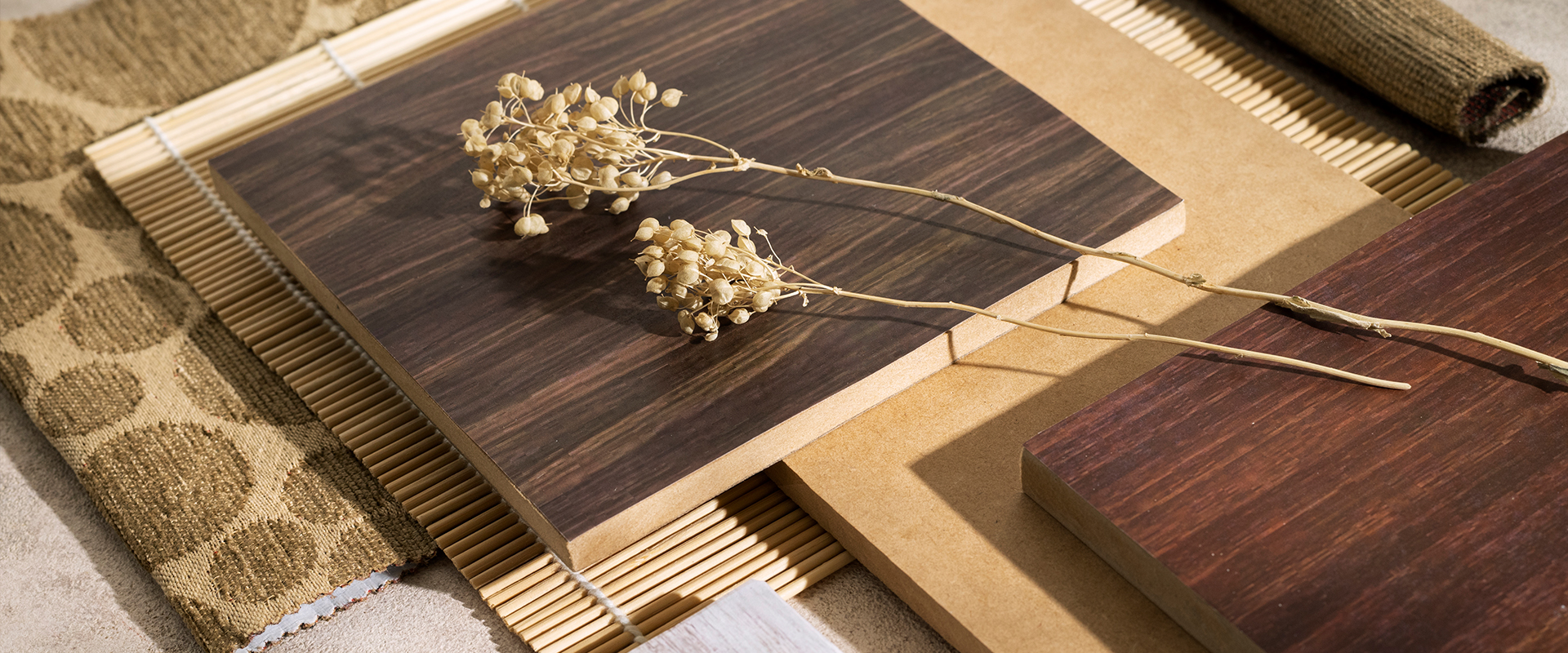
Recommended Cleaning Methods for Different Wood Types
Because each type of wood reacts differently to moisture and temperature, cleaning methods should be adjusted accordingly:
1. Acacia Wood
Acacia is durable yet sensitive to extreme environmental changes. Clean indoor acacia furniture using a mild, natural cleaner and a soft cloth. Avoid harsh detergents or alcohol-based products, which may damage the surface. Keep acacia pieces away from direct heat sources and prolonged sunlight to reduce the risk of cracking.
2. Sheesham Wood
Sheesham wood features striking grain patterns that benefit from gentle care. Use a dry or lightly damp microfiber cloth for routine cleaning. For added shine, a small amount of natural oil diluted with water works well. Sticky residue can be removed with warm water and a gentle soap—just remember to dry the surface immediately afterward.
3. Removing Stains and Water Rings
Water rings and minor stains are common on solid wood surfaces. A mild paste made from household ingredients can help lift marks when rubbed gently in circular motions. For deeper moisture rings, applying low heat can help draw trapped moisture out. Finish by polishing to restore a smooth, even appearance.
4. Daily Maintenance Tips
For everyday care, less is more. Light dusting and occasional conditioning are usually sufficient. Excessive cleaning may strip away natural oils and weaken the protective finish over time.